
When Your Child Doesn’t Want to Leave: Managing the End of Contact Positively
Many parents dread the final few minutes of a visit far more than the visit itself. When Your Child Doesn’t Want to Leave: Managing the End of Contact Positively is something every family affected by child contact ending will face at some point, and it rarely feels easy. At Prime Time Charity Services, we support families through supervised child contact services and accredited family support services, helping parents handle this tricky moment with warmth and confidence.
Why the End of Contact Can Be Difficult for Children
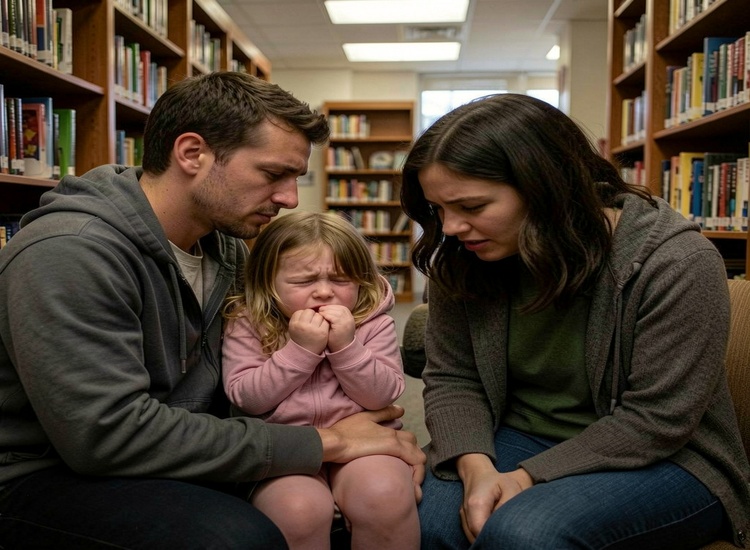
So, why does saying goodbye feel so hard? A child upset at the end of contact is actually showing a healthy attachment to both parents, not a sign that something has gone wrong. Young children often struggle to understand time, so “see you soon” can feel uncertain rather than reassuring. As a result, some children cling, cry, or flatly refuse to leave the room. Others go quiet or cling tightly to the parent who is leaving, which is another common sign of a child upset at the end of contact. Because these reactions stem from love and confusion rather than defiance, they can still feel painful for everyone involved. Parents, supervisors, and children alike often find this stage of ending supervised contact the hardest part of the whole visit.
What to Do When Your Child Doesn’t Want to Leave
First, stay calm; children take emotional cues from the adults around them. Gently acknowledge the feeling instead of rushing past it, and where the schedule allows, give your child a few extra minutes to finish an activity or say a proper goodbye. Listening matters too, so ask your child what feels hard and let them answer in their own words. Avoid bargaining, arguing, or making the moment bigger than it needs to be. Instead, offer a simple, predictable routine, such as a hug, a wave, or a small goodbye ritual, so that child contact ending becomes familiar rather than frightening over time.
What Should You Say to Your Child at the End of Contact?
Simple, honest language works best. Try phrases such as, “I know it’s hard to say goodbye, and that’s okay,” or “We’ll see each other again on [next date].” Naming the next visit gives your child something concrete to hold onto, which often eases the sting of ending supervised contact. Avoid vague promises like “soon” or “very soon,” since young children cannot measure time the way adults do. A calm tone matters more than the exact words, so keep your voice steady even if you feel emotional yourself.
Things to Avoid When Contact Ends
Certain habits make child contact ending far harder than it needs to be. Never promise something you cannot deliver, such as an extra visit or a gift, purely to stop tears. Similarly, avoid blaming the other parent or the contact centre in front of your child, since this places an unfair burden on them. Never ask a child to choose sides or pass messages between parents; doing so can turn a child upset at the end of contact into a child who feels responsible for adult conflict. Finally, try to manage visible anger or distress, because children pick up on tension even when nothing is said aloud.
Helping Your Child Cope Between Contact Sessions
Between visits, familiar routines help children feel steady and secure. Encourage your child to talk about their feelings, and reassure them that missing a parent is completely normal. Where possible, explain what to expect before the next session, since predictability reduces anxiety around ending supervised contact. Every family’s situation differs, however, so always follow the guidance given by your contact centre or the professionals supporting your case. Our team offers accredited family support services alongside supervised child contact services, giving families consistent guidance at every stage.
Get in Touch
Every family experiences child contact ending differently, and you do not need to manage it alone. If you would like guidance on ending supervised contact well, our team at Prime Time Charity Services is ready to help. Call us today on 0300 365 2700 or email at referral@ptccc.org.uk to talk through your family’s situation with confidence.
Frequently Asked Questions
A child upset at the end of contact is usually showing healthy attachment rather than distress about the visit itself. Young children often struggle with the concept of time, so goodbyes can feel bigger and more final than they really are.
Stay calm, acknowledge their feelings, and where possible, give a few extra minutes to finish an activity. A simple, predictable goodbye routine makes child contact ending feel familiar rather than frightening.
Keep your language simple and honest. Try naming the next visit directly, since this gives your child something concrete to hold onto and eases the difficulty of ending supervised contact.
Avoid empty promises, blaming the other parent, or asking your child to choose sides. These habits make child contact ending far harder and place unfair pressure on your child.
Keep routines familiar, encourage your child to talk about their feelings, and explain what to expect before the next visit. Because every family’s situation is different, always follow the guidance of your contact centre or supporting professionals.
Yes. Alongside supervised child contact services, we provide accredited family support services to help parents manage the wider challenges of ending supervised contact and rebuilding family relationships.
Related Posts

Contact Us
Prime Time Child Contact Centres
Norwood Picture House Library,
1-7 Norwood High St, Norwood,
London SE27 9JU,
Friends Meeting House,
Redlands Way,
London, SW2 3LU
0300 365 2700
referral@ptccc.org.uk


“Keeping children in touch with parents following separation”
